Tag: rose varieties

  • Rose Garden Design Ideas: Inspirational Ideas and Layouts for Designing a Stunning Rose Garden

    Rose Garden Design Ideas: Inspirational Ideas and Layouts for Designing a Stunning Rose Garden

    Creating a rose garden is a delightful way to bring beauty, fragrance, and elegance to your outdoor space. Whether you prefer the structured beauty of a formal garden, the whimsical charm of a cottage garden, or the sleek lines of a modern garden, there are design ideas to suit every style. In this blog post, we’ll explore inspirational ideas and layouts for designing a stunning rose garden that reflects your personal taste.

    Formal Rose Garden

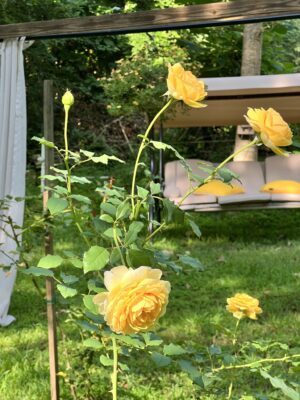
    A formal rose garden is characterized by its symmetrical layout, geometric shapes, and well-defined pathways. This style emphasizes order and elegance, making it a timeless choice for rose enthusiasts. My rose garden follows this style, except I have focused on bright, cheerful colors instead of the traditional refined ones.

    Key Elements:

    1. Symmetry: Use mirrored planting schemes on either side of central pathways or focal points.
    2. Hedges and Borders: Frame your rose beds with neatly trimmed boxwood or yew hedges.
    3. Focal Points: Incorporate statues, fountains, or sundials as central features.
    4. Color Schemes: Stick to a refined color palette, such as white, pink, and red roses.

    Cottage Rose Garden

    A cottage rose garden exudes charm and a sense of nostalgia. It often features a mix of roses with other flowers and plants. This style is more relaxed and informal, perfect for creating a cozy, inviting atmosphere.

    Key Elements:

    1. Mixed Plantings: Combine roses with perennials, annuals, and herbs for a lush, layered look.
    2. Arbors and Trellises: Add climbing roses to arbors and trellises for vertical interest.
    3. Winding Pathways: Use gravel or stepping stones to create meandering paths through the garden.
    4. Wildflowers: Incorporate wildflowers to enhance the garden’s natural, unstructured feel.

    Modern Rose Garden

    A modern rose garden focuses on clean lines, minimalism, and innovative design elements. This style emphasizes simplicity and functionality while showcasing the beauty of roses in a contemporary setting.

    Key Elements:

    1. Geometric Layouts: Use straight lines and geometric shapes for planting beds and pathways.
    2. Minimalist Plantings: Opt for a limited palette of rose varieties and colors to maintain a sleek look.
    3. Innovative Materials: Incorporate modern materials like steel, concrete, and glass in garden structures and furniture.
    4. Lighting: Use strategic lighting to highlight key features and create ambiance in the evening.

    Tips for Designing Your Rose Garden

    1. Plan Your Layout: Sketch your garden design on paper, considering the size, shape, and sun exposure of your space.
    2. Choose the Right Roses: Select rose varieties suited to your climate and soil conditions.
    3. Prepare the Soil: Enrich your soil with compost and organic matter to provide a healthy growing environment.
    4. Irrigation: Install a drip irrigation system to ensure consistent watering and reduce waste if you can afford to do so. If on a tight budget, consider a soaker hose on an automated timer.
    5. Maintenance: Regularly prune, deadhead, and fertilize your roses to keep them healthy and blooming.

    Designing a stunning rose garden is a rewarding project that can transform your outdoor space into a fragrant, beautiful retreat. Whether you prefer the classic elegance of a formal garden, the cozy charm of a cottage garden, or the sleek simplicity of a modern garden, there are endless possibilities to explore. Use these ideas and tips to create a rose garden that reflects your style and brings joy for years.

    Further Reading:

    1. American Rose Society: Planning a Rose Garden
    2. Better Homes & Gardens: How to Design a Rose Garden
    3. Garden Design: Rose Garden Design Ideas
  • Understanding Different Types of Roses: A Guide for Beginner Gardeners

    Understanding Different Types of Roses: A Guide for Beginner Gardeners

    Roses are one of the most beloved flowers worldwide, known for their beauty, fragrance, and diversity. However, with so many types and varieties available, understanding the terminology can be overwhelming for beginner gardeners. This guide will help you navigate the different types of roses, including Floribunda, Grandiflora, Hybrid Tea, Climbing, and Shrub Roses, along with their unique characteristics, pros, and cons.

    1. Floribunda Roses

    Description: Floribunda roses are known for their ability to produce large clusters of blooms. They are a cross between Hybrid Tea and Polyantha roses, combining the best traits of both.

    Pros:

    • Continuous blooming: Floribundas bloom continuously throughout the growing season.
    • Hardy and disease-resistant: These roses are generally more resistant to diseases compared to other types.
    • Compact size: Ideal for small gardens and containers.

    Cons:

    • Smaller individual blooms: While they bloom in clusters, individual flowers are usually smaller than those of Hybrid Tea roses.

    Ideal for: Beginner gardeners looking for a vibrant, low-maintenance rose variety.

    2. Grandiflora Roses

    Description: Grandiflora roses are a hybrid between Floribunda and Hybrid Tea roses. They are known for their large blooms and tall, upright growth habit.

    Pros:

    • Large, showy flowers: Grandiflora roses produce large, beautiful blooms.
    • Good for cut flowers: The long stems make them excellent for floral arrangements.
    • Vigorous growth: They tend to be strong growers, providing a striking presence in the garden.

    Cons:

    • Space requirements: Their tall growth habit may not be suitable for smaller gardens.
    • Maintenance: May require more care and pruning to maintain their shape and health.

    Ideal for: Gardeners who want impressive, large blooms and have space for taller plants.

    3. Hybrid Tea Roses

    Description: Hybrid Tea roses are perhaps the most recognized type of rose, known for their classic, elegant blooms. They typically produce one large flower per stem.

    Pros:

    • Stunning blooms: Known for their large, well-formed flowers, perfect for cutting.
    • Wide range of colors: Available in a vast array of colors, from classic reds to unique bi-colors.

    Cons:

    • Susceptible to disease: Often require more attention to prevent diseases like black spot and mildew.
    • Maintenance: Need regular pruning and care to keep them healthy and blooming.

    Ideal for: Rose enthusiasts who enjoy the beauty of classic rose blooms and are willing to invest time in their care.

    4. Climbing Roses

    Description: Climbing roses have long, flexible canes that can be trained to grow on trellises, fences, or arbors. They add vertical interest to gardens and landscapes.

    Pros:

    • Versatile: Can cover unsightly structures or create beautiful garden features.
    • Prolific blooms: Many climbing roses produce abundant blooms throughout the season.

    Cons:

    • Space requirements: Need adequate support and space to grow.
    • Pruning: Requires regular pruning to keep the canes manageable and promote flowering.

    Ideal for: Gardeners looking to add vertical interest and cover structures with beautiful blooms.

    5. Shrub Roses

    Description: Shrub roses are a diverse group, including modern shrub roses and classic species roses. They are known for their hardiness and ability to produce a mass of blooms.

    Pros:

    • Low maintenance: Generally more disease-resistant and easier to care for.
    • Continuous blooming: Many varieties bloom repeatedly throughout the season.
    • Versatile: Can be used as hedges, borders, or standalone plants.

    Cons:

    • Varied appearance: The diverse nature means some shrubs may not have the traditional rose look.
    • Size: Some can grow quite large, requiring more space in the garden.

    Ideal for: Gardeners seeking a reliable, low-maintenance rose variety with continuous blooms.

    Understanding the different types of roses and their characteristics can help you choose the right variety for your garden. Whether you prefer the compact and vibrant Floribunda, the grand and showy Grandiflora, the classic beauty of Hybrid Tea, the vertical elegance of Climbing roses, or the hardy and versatile Shrub roses, there is a perfect rose type for every gardener. Happy gardening!

    Sources & Further Reading:

    Sources:

    1. American Rose Society – The American Rose Society provides extensive information on rose classifications, care tips, and recommendations for different climates.
    2. Royal Horticultural Society (RHS) – The RHS website offers detailed guides on different types of roses, their care, and maintenance.
    3. University of Illinois Extension – This resource provides educational material on various types of roses, their characteristics, and how to grow them successfully.
    4. David Austin Roses – Known for their English Roses, David Austin’s website includes comprehensive information on different rose varieties, their history, and care instructions.
    5. Gardener’s Supply Company – Offers practical advice on selecting and caring for roses, including pros and cons of different types.

    Further Reading:

    1. “The Rose Bible” by Rayford Clayton Reddell – This book provides an in-depth look at different types of roses, their care, and how to grow them successfully.
    2. “The Ultimate Rose Book” by Stirling Macoboy – A comprehensive guide to over 1,500 rose varieties with beautiful photography and detailed descriptions.
    3. “Roses Without Chemicals: 150 Disease-Free Varieties That Will Change the Way You Grow Roses” by Peter E. Kukielski – Focuses on sustainable and organic rose gardening practices.
    4. “Growing Roses: Everything You Need to Know, and More…” by Gary Emmett – Offers practical advice for both novice and experienced rose gardeners, including tips on selecting and caring for different rose types.
    5. “RHS Encyclopedia of Roses” by Charles & Brigid Quest-Ritson – An extensive reference book that covers the history, cultivation, and classification of roses.
  • The Ultimate Guide to Starting Your Rose Garden

    The Ultimate Guide to Starting Your Rose Garden

    Dreaming of a garden full of stunning roses? Starting your own rose garden can seem daunting, but with the right approach, it’s a rewarding endeavor that beautifies your space and brings immense joy. This guide will walk you through the essentials of selecting the best rose varieties for beginners, preparing your soil, planting techniques, and providing ongoing care to ensure your roses thrive.

    1. Choosing the Right Rose Varieties

    Selecting suitable rose varieties is critical for a successful start. For beginners, look for roses that are renowned for their resilience and low maintenance. Some of the best beginner-friendly roses include:

    Knock Out Roses: Known for their disease resistance and continuous blooming, Knock Out roses are a favorite among new gardeners. They are versatile and can thrive in a variety of climates, making them an excellent choice for many regions.

    Simplicity Roses: Ideal for their easy care and lovely blooms, Simplicity roses are perfect for those who want a hassle-free gardening experience. They are also known for their resistance to common rose diseases.

    Floribunda Roses: Celebrated for their vibrant clusters of flowers and robust growth, Floribunda roses provide a spectacular display in any garden. They are hardy and can withstand various weather conditions, making them a reliable choice for beginners.

    When choosing roses, consider your climate and the specific needs of each variety. The USDA Plant Hardiness Zone Map is a valuable resource to determine which roses will thrive in your area.

    Further Reading: “The Rose Expert” by Dr. D.G. Hessayon provides detailed information on various rose varieties and their care requirements.

    2. Soil Preparation: Laying the Foundation

    Proper soil preparation is essential for healthy rose plants. Roses thrive in well-drained, rich soil with a slightly acidic to neutral pH. Follow these steps to prepare your garden bed:

    Test Your Soil: Understanding your soil’s current condition is crucial. A soil test will reveal the pH level and nutrient content, helping you determine what amendments are needed. You can purchase a soil testing kit or send a sample to a local extension service.

    Amend the Soil: Incorporate organic matter like compost or aged manure to enrich the soil and improve drainage. Organic matter enhances soil structure, promotes beneficial microbial activity, and provides essential nutrients.

    Steps for Soil Preparation:

    • Clear the Area: Remove any weeds, rocks, or debris from the planting site.
    • Loosen the Soil: Use a garden fork or tiller to loosen the soil to a depth of at least 12 inches.
    • Add Amendments: Mix in compost, aged manure, or other organic materials to improve soil fertility and drainage.

    Further Reading: “Teaming with Microbes” by Jeff Lowenfels and Wayne Lewis offers insights into creating healthy soil ecosystems.

    3. Planting Techniques: Setting the Roots

    Planting roses correctly can make a significant difference in their growth and bloom quality. Here’s how to plant your roses for the best start:

    Timing: The best time to plant roses is in early spring or fall when the weather is cooler. This allows the roots to establish before the onset of extreme temperatures.

    Spacing: Ensure each rose bush has enough room to grow without crowding. Generally, space rose bushes about three feet apart to allow for adequate air circulation and growth.

    Planting Depth: The base of the stems (graft point) should be just below the soil surface. This helps protect the graft from extreme weather and promotes healthy growth.

    Planting Steps:

    • Dig a Hole: Dig a hole twice as wide and just as deep as the root ball of the rose.
    • Prepare the Roots: If planting bare-root roses, soak the roots in water for a few hours before planting. Trim any damaged roots.
    • Plant the Rose: Place the rose in the hole, ensuring the graft point is slightly below the soil surface. Backfill with soil, gently firming it around the roots.

    Further Reading: “The Complete Rose Gardener” by Patrick Taylor provides detailed instructions on planting and caring for roses.

    4. Ongoing Care and Maintenance

    Roses require consistent care to remain vibrant and healthy. Implement these practices for optimal growth:

    Watering: Roses need deep, infrequent watering to encourage strong root development. Watering deeply ensures that the roots grow downwards, helping the plant withstand dry periods. Avoid overhead watering to minimize leaf diseases.

    Watering Tips:

    • Deep Watering: Water the base of the plant slowly and deeply, allowing water to penetrate the soil.
    • Morning Watering: Water early in the morning to reduce evaporation and give plants time to dry before nightfall, reducing the risk of fungal diseases.

    Fertilizing: Feed your roses with a balanced fertilizer designed for roses. Begin in early spring and follow the recommendations through the growing season. Regular feeding promotes healthy growth and abundant blooms.

    Pruning: Pruning is essential for maintaining plant health and encouraging blooms. Prune in late winter or early spring when new shoots appear. Remove dead or diseased wood, and shape the plant to improve air circulation and light penetration.

    Pruning Tips:

    • Clean Tools: Use clean, sharp pruning shears to make clean cuts and reduce the risk of disease.
    • Remove Dead Wood: Cut out any dead, damaged, or diseased branches.
    • Shape the Plant: Prune to shape the plant and remove any crossing branches.

    Further Reading: “The Rose Bible” by Rayford Clayton Reddell provides comprehensive information on rose care and maintenance.

    Starting a rose garden is a delightful project that, with proper planning and care, can provide you with a lush, blooming oasis. Remember, every rose has its thorns, but with these tips, you’ll be well on your way to cultivating a thriving rose garden that brings beauty to your life for years to come.

    Citations:

    • Hessayon, Dr. D.G. “The Rose Expert.” Expert Books, 1998.
    • Lowenfels, Jeff, and Wayne Lewis. “Teaming with Microbes: The Organic Gardener’s Guide to the Soil Food Web.” Timber Press, 2010.
    • Taylor, Patrick. “The Complete Rose Gardener.” Dorling Kindersley, 1999.
    • Reddell, Rayford Clayton. “The Rose Bible.” Chronicle Books, 1998.

    Further Reading:

    • “RHS Encyclopedia of Roses” by Charles and Brigid Quest-Ritson.
    • “The Rose Grower’s Handbook” by Harvey Ussery.
    • “The Sustainable Rose Garden: A Reader in Rose Culture” by Pat Shanley, Peter Kukielski, and Gene Waering.
    • “Growing Roses Organically” by Barbara Wilde.

    Ready to grow your rose garden but need more advice? Subscribe to our newsletter below for ongoing tips and tricks tailored to budding gardeners like you!